
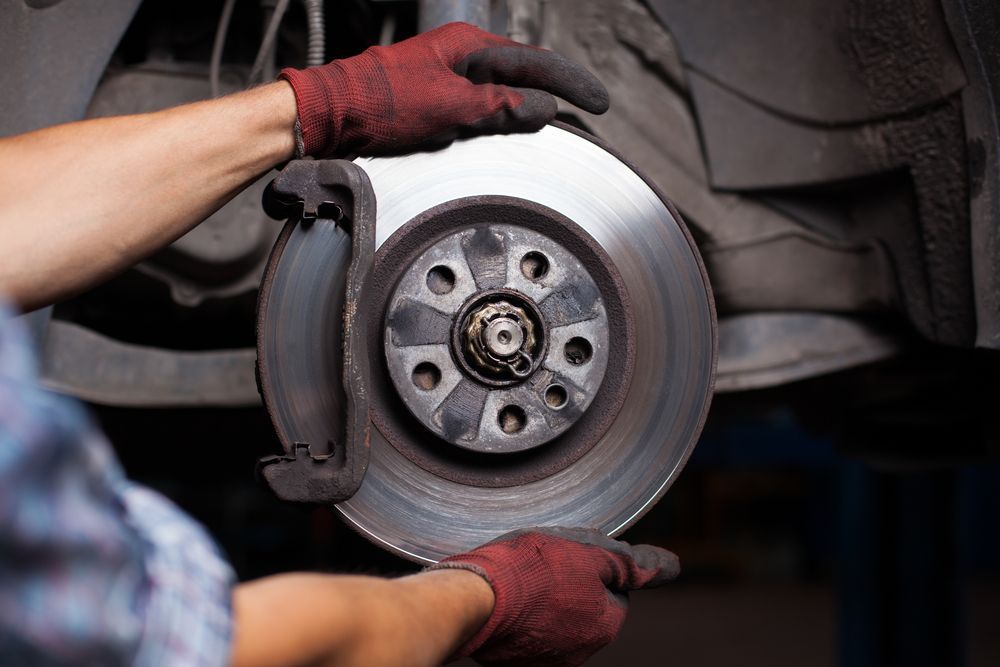
Most drivers rely on their vehicle’s brakes without much thought, until something feels off. Whether it is a new sound, a change in pedal feel or the ...

Buying a used car often begins with excitement. The vehicle looks clean, the price seems fair and the seller assures you it runs well. On the surface, everything appears in order. Yet beneath that first impression, there may be hidden issues that are not immediately visible during a quick inspection or short test drive. A used vehicle carries a history, and not all of it is obvious. Mechanical wear, past repairs or overlooked faults can quietly affect safety, performance and long-term reliability. Even small issues, if undetected, can develop into larger problems once the vehicle is in regular use. This is where professional pre-purchase inspections on the Gold Coast come into play, offering a clear, informed view before any commitment is made. A Pre-Purchase Inspection Reveals What You Can’t See at First Glance A vehicle can present well visually while concealing underlying mechanical or structural issues. Clean interiors and polished exteriors do not always reflect the true condition of the engine, suspension or braking system. A professional inspection helps uncover hidden concerns such as: Engine irregularities that may not be noticeable during a short drive Early signs of wear in critical components like brakes or suspension Evidence of previous damage or poor-quality repairs Mobile mechanic services bring trained attention to detail, identifying issues that are easily missed without specialist knowledge. This deeper level of inspection provides clarity, helping buyers understand exactly what they are considering before making a decision. What Happens When You Skip an Inspection Before Buying? Choosing to purchase a used vehicle without a pre-purchase inspection can lead to avoidable complications. What seems like a straightforward purchase can quickly turn into ongoing repairs and unexpected costs. Common risks include: Hidden mechanical faults that surface shortly after purchase Safety issues that were not identified during initial checks Additional expenses that outweigh any initial savings Gold Coast pre-purchase inspections act as a practical safeguard, offering an independent assessment of the vehicle’s condition. Without this step, buyers rely heavily on limited information, increasing the likelihood of costly surprises after the sale is complete. Mobile Mechanics Bring Expert Vehicle Checks Directly to You One of the key advantages of mobile mechanic services is convenience. Instead of arranging transport or relying on the seller’s availability, inspections can be carried out at the vehicle’s location. This approach allows buyers to: Have the vehicle inspected where it is currently kept Avoid the need to move an unverified vehicle Receive timely insights before making a purchasing decision Mobile pre-purchase inspections streamline the process, making it easier to assess multiple vehicles if needed. This flexibility supports informed decision-making without unnecessary delays or logistical challenges. From Engine Health to Roadworthiness — What Gets Checked A pre-purchase inspection involves far more than a quick look under the bonnet. It is a structured assessment of the vehicle’s key systems, focusing on both performance and safety. Typical inspection areas include: Engine condition, fluid levels and signs of leaks Braking system performance and wear Suspension components and steering response Tyres, lights and general roadworthiness Mobile mechanics follow a detailed checklist to ensure nothing is overlooked. This thorough approach provides a comprehensive picture of the vehicle’s condition, helping buyers understand both current performance and potential future maintenance needs. Specialist Knowledge Helps Buyers Make Confident Decisions Understanding the true condition of a vehicle requires more than a general overview. Trained mechanics recognise subtle indicators that can point to larger issues. This expertise allows them to: Identify signs of long-term wear that may not be obvious Recognise inconsistencies in previous repairs Assess whether components are nearing the end of their service life Mobile mechanic services translate technical findings into clear, practical insights. This guidance supports confident decision-making, ensuring buyers are not left guessing about the condition or reliability of the vehicle. It also helps buyers compare multiple vehicles more effectively, based on condition rather than appearance alone. A Small Investment That Can Prevent Major Repair Costs The cost of a pre-purchase inspection is often minimal compared to the potential expense of unexpected repairs. Identifying issues early can prevent financial strain after the purchase is complete. Inspections help reduce costs by: Highlighting faults before they require urgent repairs Allowing buyers to avoid vehicles with significant issues Providing an opportunity to plan for future maintenance Mobile mechanics provide value through early detection, helping buyers make financially sound decisions. This proactive approach can prevent costly breakdowns and reduce the risk of ongoing repair expenses. Negotiation Power Starts With Accurate Vehicle Information Having a clear understanding of a vehicle’s condition can influence how a buyer approaches negotiations. An inspection report provides objective information that supports more informed discussions with the seller. Buyers can use inspection findings to: Negotiate a fair price based on identified issues Request repairs before finalising the purchase Decide whether the vehicle represents good value Mobile mechanic inspections offer credible, detailed insights that strengthen a buyer’s position. With accurate information in hand, decisions are based on facts rather than assumptions, which can make negotiations more straightforward and balanced. Peace of Mind Comes From Knowing the Car Has Been Professionally Assessed A used car purchase involves more than just cost. Safety, reliability and long-term performance all play an important role in the decision. A professional inspection helps ensure these factors are properly considered. The benefits of a professional assessment include: Greater confidence in the vehicle’s condition Reduced uncertainty about hidden defects Improved understanding of future maintenance needs Mobile mechanic services provide reassurance that the vehicle has been thoroughly evaluated. This peace of mind allows buyers to proceed with greater certainty, knowing they have made an informed choice and reduced the likelihood of unexpected issues after purchase. Call to Action We at Prime Mobile Mechanics understand the unique challenges buyers face when purchasing used vehicles on the Gold Coast, where coastal conditions and frequent stop-start driving can accelerate wear on key components. Our pre-purchase inspections are designed to give you a clear, honest assessment before you commit. If you are considering a vehicle and want reliable insight into its condition, we encourage you to contact us or book an inspection through https://www.primemobilemechanics.com.au/ .

Owning a vehicle comes with a long list of responsibilities, and few are as important as maintaining it correctly from the beginning. Many drivers focus on fuel efficiency, tyres or unexpected repairs, but the routine servicing schedule outlined by the manufacturer often receives less attention. This is where logbook servicing becomes essential. It is not simply a routine oil change or quick inspection. It is a structured maintenance program designed by the manufacturer to keep the vehicle performing safely while protecting the warranty that comes with it. For many drivers, there is still confusion around how logbook servicing works, whether it must be done at a dealership and what actually happens during the service itself. Understanding the purpose of a logbook service helps vehicle owners make informed decisions about maintenance without risking warranty protection. It also highlights why modern options such as mobile servicing are becoming increasingly popular for busy vehicle owners who want professional servicing without disrupting their schedule. Understanding What Logbook Servicing Actually Means Many vehicle owners see the logbook in their glovebox but are not always sure what it represents or how it should be used. Logbook servicing is the manufacturer’s scheduled maintenance program designed specifically for that vehicle model. The service intervals listed in the logbook are based on engineering requirements, vehicle testing and long-term reliability data. Following this schedule ensures the vehicle receives maintenance at the correct time and with the correct procedures. During a logbook service, technicians follow the manufacturer’s checklist exactly rather than performing general maintenance. This ensures every required inspection and replacement is completed. Typical characteristics of logbook servicing include: Manufacturer-recommended service intervals Vehicle-specific inspection checklists Approved oils & replacement parts Official service record entries Compliance with warranty requirements When completed properly, the logbook becomes a documented history showing the vehicle has been maintained according to manufacturer standards. Protecting Your Manufacturer Warranty Through Proper Servicing A manufacturer warranty is designed to protect drivers from defects or mechanical failures during the early years of ownership. However, that protection relies on the vehicle being maintained correctly. Logbook servicing plays a critical role in maintaining warranty eligibility because it demonstrates that all required maintenance has been performed on schedule. If a major component fails during the warranty period, the manufacturer may request evidence that the vehicle has been serviced according to their guidelines. Without those records, warranty claims can become complicated. Following the logbook servicing schedule helps ensure: Service intervals are completed on time Manufacturer-approved oils are used Genuine or equivalent parts are installed Required inspections are documented Service records remain complete and traceable Maintaining this record ensures that warranty coverage remains valid while also helping identify potential issues early. Do You Have To Visit The Dealership For Logbook Servicing? One of the most common misunderstandings among drivers is the belief that logbook servicing must be completed at the dealership where the vehicle was purchased. In reality, servicing regulations allow qualified independent mechanics to perform logbook services. As long as the service follows manufacturer specifications and uses appropriate parts and fluids, the warranty remains protected. Independent servicing has become a widely accepted alternative because many workshops offer the same technical expertise and diagnostic equipment without the dealership environment. When completed by a qualified technician, independent logbook servicing still includes: Manufacturer service schedules Approved oils & fluids Quality replacement components Detailed service documentation Logbook record stamping This flexibility gives vehicle owners more choice while still protecting their warranty and service history. What Technicians Check During A Logbook Service Logbook servicing involves more than a quick inspection or oil replacement. Each service interval includes a structured checklist designed to maintain vehicle performance and safety. The exact requirements vary depending on the vehicle make, model and kilometres travelled. Some services focus on inspection while others involve replacing components that wear over time. Technicians work through a detailed checklist to ensure every system is functioning correctly. Common areas covered during a logbook service include: Engine oil & oil filter replacement Brake system inspection Suspension & steering checks Fluid level inspections & top-ups Battery condition testing Tyre condition & pressure checks Air & cabin filter replacement Safety & electrical system inspection By following these steps, technicians can identify small issues before they become more expensive repairs. Scheduled Maintenance Helps Prevent Unexpected Breakdowns Vehicles are complex machines with many interconnected systems that rely on regular maintenance. Skipping or delaying scheduled servicing can allow small issues to develop into larger mechanical failures. Logbook servicing is designed to prevent these problems by addressing wear and tear at the correct intervals. Many parts naturally deteriorate over time due to heat, friction and daily driving conditions. Regular servicing ensures these components are monitored and replaced when necessary. Routine logbook servicing helps prevent: Premature engine wear Brake system failures Cooling system overheating Battery or charging issues Fluid contamination problems By identifying these risks early, drivers can maintain vehicle reliability and avoid the inconvenience of unexpected breakdowns. Service History Plays A Role In Long-Term Vehicle Value A well-maintained vehicle often retains its value far better than one with an incomplete service history. Buyers frequently check service records before purchasing a used vehicle because they want reassurance that the vehicle has been properly maintained. Logbook servicing provides a clear and structured record of maintenance throughout the vehicle’s life. Each completed service adds another documented entry to the vehicle’s history, demonstrating consistent care and attention. Benefits of a complete service history include: Increased buyer confidence Improved resale value Evidence of professional maintenance Reduced risk perception for future owners Greater transparency during sale negotiations Maintaining logbook servicing can therefore provide financial advantages when the time comes to sell or trade in the vehicle. Why Mobile Logbook Servicing Is Becoming More Popular Vehicle owners are increasingly looking for ways to manage maintenance without disrupting their daily routine. Mobile servicing has emerged as a convenient solution that allows technicians to perform logbook services at the customer’s location. Rather than scheduling time to travel to a workshop, mobile mechanics bring the necessary tools, equipment and parts directly to the vehicle. This approach can be particularly helpful for drivers with busy work schedules or limited time for workshop visits. Mobile logbook servicing typically provides: On-site servicing at home or work Manufacturer-compliant service procedures Professional diagnostic equipment Logbook service documentation Reduced travel & waiting time Convenience has made mobile servicing an increasingly attractive option for drivers who still want professional maintenance without altering their schedule. Professional Servicing Ensures The Right Tools & Procedures Modern vehicles rely heavily on electronic systems, sensors and computer-controlled components. Servicing them correctly often requires specialised diagnostic tools and manufacturer-specific procedures. Qualified technicians follow the recommended service guidelines while using professional equipment designed for modern vehicles. This ensures that the service meets manufacturer standards and that all systems are checked accurately. Professional logbook servicing may involve: Computer diagnostic scanning Electronic system testing Manufacturer-approved oils & fluids Torque-specific component installation Detailed mechanical inspections These procedures ensure the vehicle continues operating safely while meeting manufacturer servicing standards. Consistent Servicing Builds Long-Term Vehicle Reliability Vehicle reliability is rarely determined by a single service appointment. Instead, it results from consistent maintenance performed over the lifetime of the vehicle. Following the logbook schedule ensures that the vehicle receives attention at the correct intervals rather than waiting until problems appear. Routine servicing helps build a predictable maintenance pattern that keeps the vehicle performing efficiently. Consistent logbook servicing contributes to: Stable engine performance Improved fuel efficiency Reduced long-term repair costs Safer vehicle operation Extended component lifespan Over time, this approach supports both reliability and driving confidence. Book Your Logbook Service With A Trusted Mobile Mechanic Regular servicing is one of the simplest ways to protect both your vehicle and its warranty. We at Prime Mobile Mechanics provide professional logbook servicing designed to meet manufacturer requirements while making maintenance easier for vehicle owners across the Gold Coast. Our mobile mechanics bring the tools, equipment and expertise directly to your home or workplace, ensuring your vehicle receives the correct service without the inconvenience of visiting a workshop. If your vehicle is due for servicing or you want to keep your warranty protected, contact us today to book a mobile logbook service and keep your vehicle running smoothly.
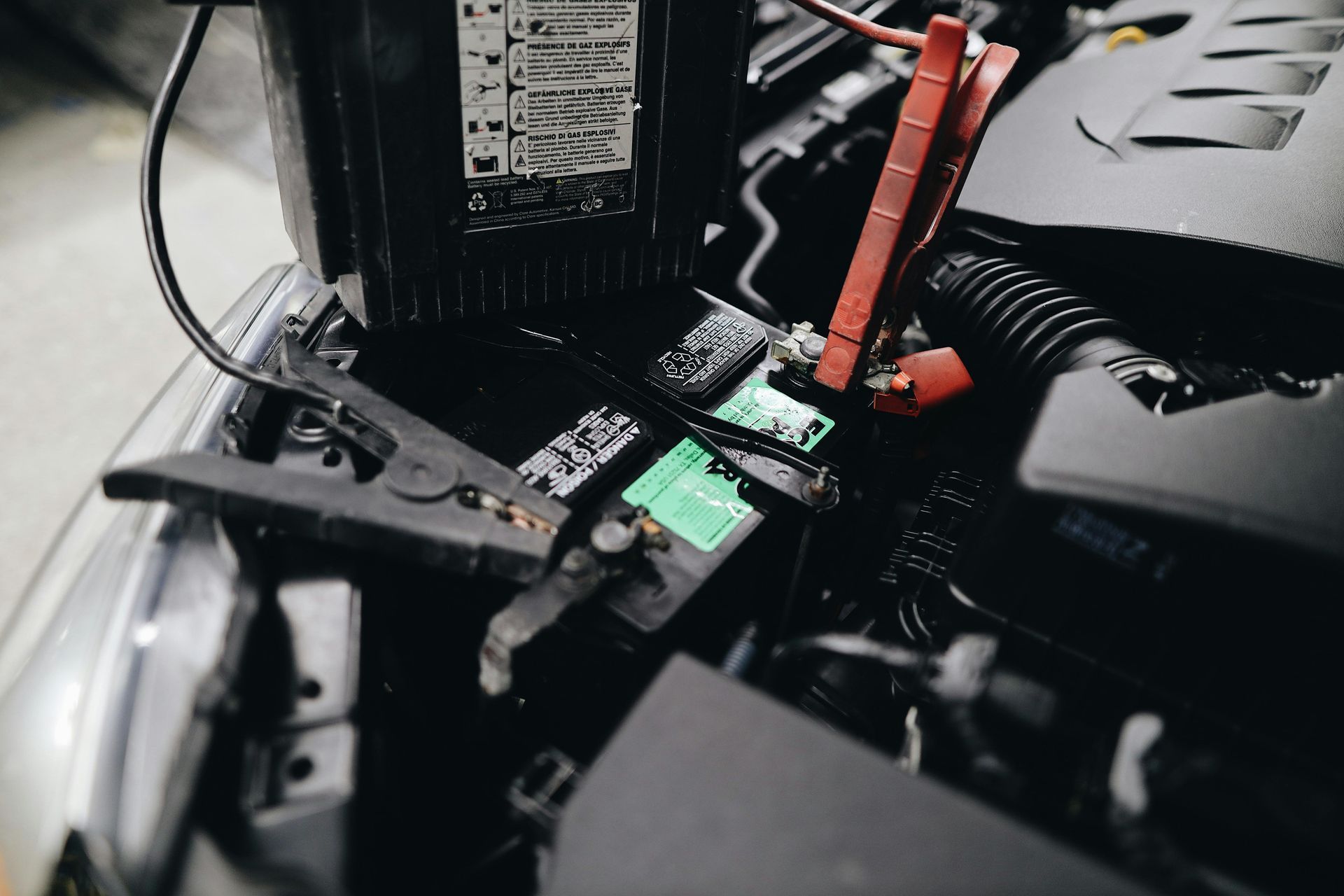
A car rarely fails without warning. Most mechanical components give subtle clues long before they stop working altogether. Your battery is no different. One morning it might struggle to turn the engine over, another day the headlights appear slightly dim, and before long the vehicle refuses to start at all. These small hints are often the earliest signs of a bad car battery, yet many drivers dismiss them until the problem becomes urgent. Understanding these warning signals can save time, stress and unexpected breakdowns. A weakening battery affects far more than the starting system. It can disrupt electronics, compromise vehicle reliability and leave drivers stranded without warning. Recognising the early signs of a bad car battery also makes it easier to arrange a car battery replacement before the situation escalates into a roadside emergency. Below are the most common indicators that a battery is nearing the end of its life, along with guidance on when replacement is necessary and how mobile battery services can simplify the process. Slow Engine Cranking Can Signal A Weakening Battery One of the earliest and most noticeable warning signs is when the engine begins to crank more slowly than usual. The starter motor relies on a strong burst of electrical power from the battery. When that power supply weakens, the engine struggles to turn over. Drivers often notice the sound first. Instead of a quick, confident start, the engine may hesitate or turn sluggishly before firing. Common indicators include: Engine takes longer than normal to start Cranking sounds slower or laboured Vehicle starts normally after several attempts Performance worsens in colder conditions A slow crank typically means the battery’s ability to hold charge is declining. Professional battery testing can confirm whether the issue is simply a low charge or a battery nearing failure. Acting early helps prevent a complete no-start situation. Dim Headlights Often Point To Electrical Power Loss Vehicle lighting systems depend heavily on battery performance, especially when the engine is not running. If the battery begins to weaken, headlights and interior lighting may lose brightness. This issue often appears gradually. Drivers may not immediately notice the change until lighting becomes noticeably dull. Warning signs often include: Headlights appear dim when starting the vehicle Interior lights fade when the engine is cranking Dashboard illumination fluctuates Lights brighten once the engine is running These symptoms indicate that the battery is struggling to supply consistent electrical power. Electrical components are designed to operate within specific voltage ranges. When the battery cannot maintain that voltage, lighting and other electronics begin to behave unpredictably. Clicking Sounds During Ignition Should Never Be Ignored A clicking noise when turning the key or pressing the start button is a classic sign of battery trouble. The sound typically comes from the starter relay attempting to engage while the battery lacks sufficient power. Instead of the engine turning over, the electrical system cycles repeatedly, producing a clicking or tapping sound. Typical patterns include: Rapid clicking when attempting to start Dashboard lights flickering during ignition Starter motor failing to engage Vehicle starting after a jump start This issue can sometimes be mistaken for a starter motor problem. However, in many cases the battery simply cannot deliver the required current. Testing the battery and charging system helps determine whether replacement is necessary. Dashboard Battery Warning Lights Provide Early Alerts Modern vehicles include warning lights designed to highlight electrical system faults. The battery symbol on the dashboard is one of the most important indicators drivers should watch for. When this light illuminates, it does not always mean the battery itself is faulty. It can also indicate problems within the charging system. Common causes include: Weak or failing battery Alternator charging issues Damaged wiring or connections Faulty voltage regulation Ignoring the battery warning light can lead to unexpected breakdowns. Diagnostic testing identifies whether the battery needs replacing or if another electrical component is responsible. Electrical Accessories May Begin To Malfunction Vehicles today rely on a wide range of electronic systems. Infotainment screens, power windows, driver assistance features and onboard computers all require stable voltage. When a battery begins to deteriorate, these systems may behave inconsistently. Drivers sometimes notice: Power windows moving slowly Infotainment systems resetting Sensors or driver alerts malfunctioning Central locking behaving erratically While these symptoms can also stem from wiring issues, they often point to insufficient battery voltage. Testing the battery ensures these problems are addressed before they interfere with daily driving. Age Is One Of The Most Reliable Indicators Even when a battery appears to be functioning normally, age plays a major role in determining reliability. Most car batteries have a predictable lifespan depending on driving habits, climate and charging patterns. Over time the internal chemical reactions that generate electricity become less efficient. Typical lifespan factors include: Average battery life between three & five years Frequent short trips accelerating wear Extreme temperatures shortening lifespan Long periods without driving reducing charge Routine battery checks become increasingly important as the battery ages. Replacing it proactively can prevent inconvenient failures during everyday use. When Replacement Becomes The Safer Option Once several warning signs appear together, replacing the battery is often the most practical solution. Attempting to extend the life of a failing battery usually leads to recurring issues. Battery testing can confirm whether capacity has dropped below safe operating levels. Situations that usually require replacement include: Repeated jump starts within a short period Battery failing load testing Visible corrosion or swelling Vehicle repeatedly struggling to start A timely car battery replacement restores reliability and protects sensitive electronics from voltage fluctuations. Preventative replacement is often far more convenient than dealing with an unexpected breakdown. Mobile Battery Replacement Simplifies The Process Battery problems rarely occur at convenient times. A flat battery in a driveway, car park or roadside location can disrupt an entire day. Mobile battery replacement services remove the need to organise towing or workshop visits. A technician can travel directly to the vehicle and complete the job on site. Benefits typically include: On-site battery testing & diagnostics Immediate replacement if required Correct battery selection for the vehicle Safe disposal of the old battery Mobile services also reduce downtime. Instead of arranging transport to a workshop, drivers can have the battery replaced wherever the vehicle is located. This approach keeps vehicles moving and minimises disruption. Get Reliable Help When Your Battery Fails When warning signs begin to appear, acting early can prevent a minor issue from turning into a roadside emergency. A weakening battery rarely improves with time and often fails when the vehicle is needed most. We at Prime Mobile Mechanics provide professional mobile battery testing, replacement and roadside assistance, helping Gold Coast drivers with fast car battery replacement when electrical problems strike unexpectedly. If your vehicle shows the signs of a bad car battery, contact us to arrange prompt support and get back on the road with confidence.

Owning a car is more than just having a set of wheels—it’s about keeping it safe, reliable and efficient for everyday life. While regular servicing ...

In this blog, learn what common vehicle dashboard symbols mean, what’s urgent, and when to seek help to avoid damage and keep your car safe on the road.


